


Stand Fan Wattage: Understanding Power Consumption and Cooling Performance
Stand fans remain a practical cooling option for homes and workspaces because of their portability and adjustable airflow. When selecting one, understanding stand fan wattage helps estimate energy use and overall performance. Many buyers also compare a standing fan's wattage with its airflow capacity to choose the right model. Let’s help you understand how wattage affects cooling efficiency and power consumption.
What Does Wattage Mean in a Stand Fan and Why Does It Matter?
When choosing a stand fan, understanding how wattage works can help you evaluate both performance and electricity usage.
Wattage indicates the amount of electrical power a fan requires to operate, which directly affects airflow generation and energy consumption. By understanding how power usage works in cooling appliances, it becomes easier to compare models and select a fan that offers the right balance between comfort and efficiency.
Understanding Wattage in Electrical Appliances
-
Wattage refers to the amount of electrical power a device uses while operating.
-
In a stand fan, this power runs the motor that rotates the blades and generates airflow.
-
Looking at stand fan power consumption helps users estimate how much electricity the appliance may use during regular operation.
-
Appliances with moderate wattage are often designed to maintain efficient cooling while keeping power usage manageable.
How Wattage Affects Fan Performance
-
The standing fan wattage often influences the strength and consistency of airflow.
-
Higher wattage can support stronger motor performance, which may improve air circulation in larger spaces.
-
However, efficient blade design and modern motor technology allow many fans to deliver strong airflow without excessive power use.
-
Comparing airflow performance along with stand fan wattage helps ensure the fan provides effective cooling while maintaining energy efficiency.
Typical Stand Fan Wattage Range and What It Means for Everyday Use
Understanding the common wattage range of stand fans helps you evaluate their cooling capacity and energy usage before choosing the right model.
Standard Wattage for Household Stand Fans
Most household stand fans operate within a moderate wattage range. In many cases, the pedestal fan watts fall between approximately 45 and 75 watts, depending on the size of the fan, the motor design, and airflow capacity.
This range is generally suitable for regular indoor use in bedrooms, living rooms, or study areas. The pedestal fan's power consumption within this range is considered manageable for everyday use, especially when the fan is used for several hours during warmer months.
Understanding this range can help buyers identify whether a fan is designed for personal cooling or for stronger air circulation within larger spaces.
|
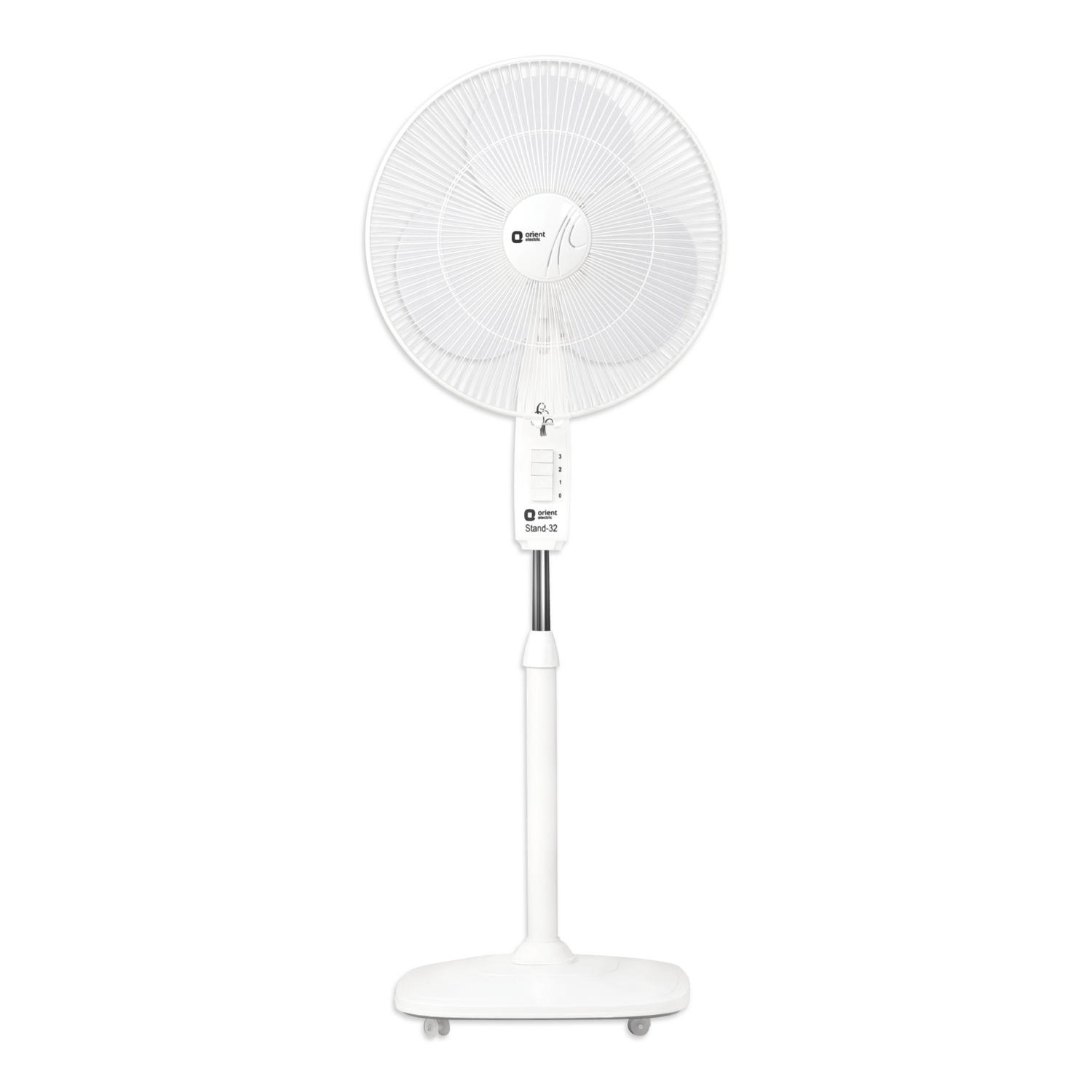
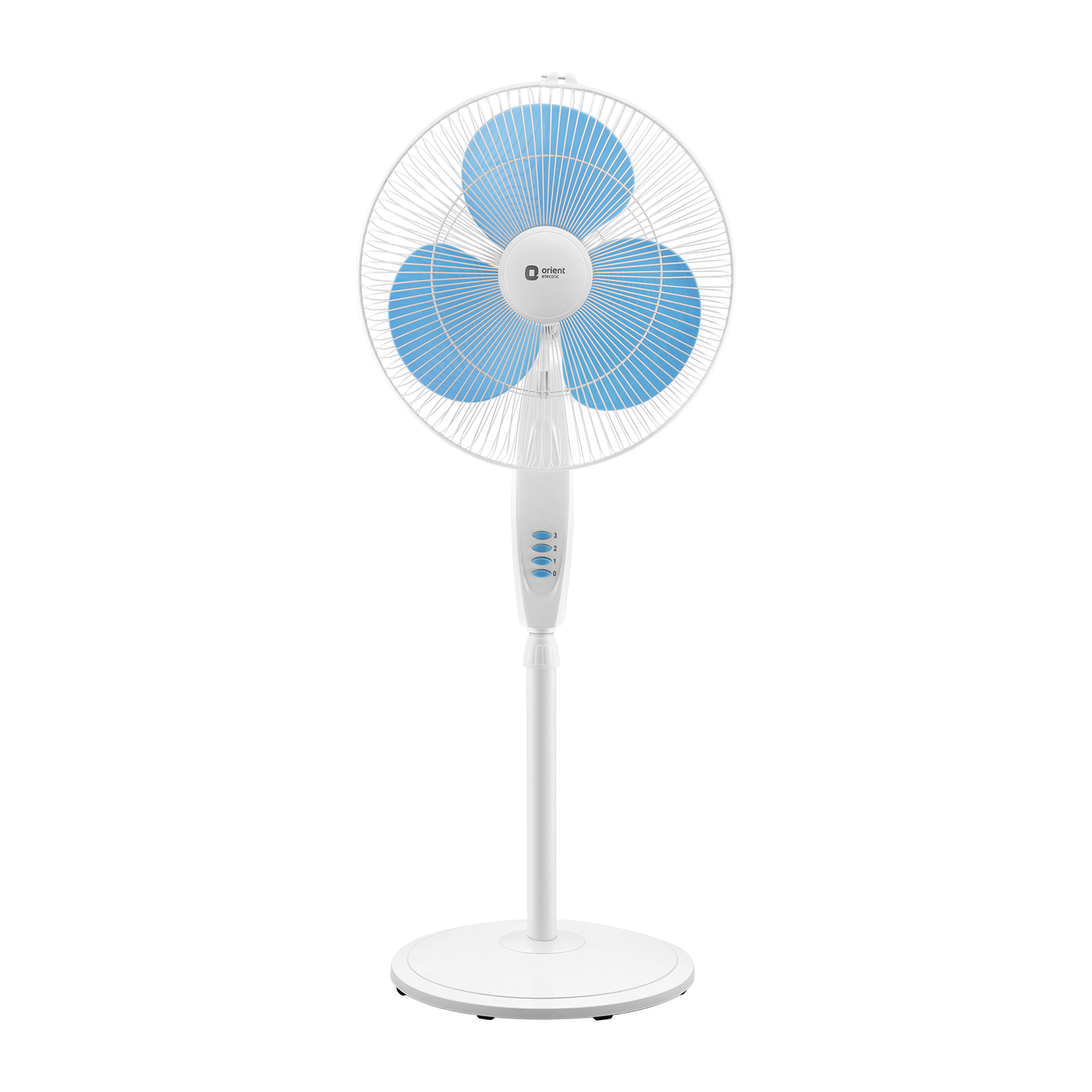
Orient Pick: Buy 400mm Stand Fan operates at around 55W, making it a practical option for balanced cooling and controlled energy consumption.
|
Differences Between High-Wattage and Low-Wattage Fans
| Aspect | High-Wattage Fans | Low-Wattage Fans |
|---|---|---|
| Airflow Strength | Fans with higher pedestal fan watts usually generate stronger airflow, making them suitable for larger rooms or areas that require better air circulation. | Fans with lower wattage typically provide moderate airflow, which works well for smaller rooms or personal cooling. |
| Energy Usage | Higher wattage models may use more electricity during operation, depending on speed settings and usage duration. | Lower wattage models generally have lower stand fan power consumption per hour, making them suitable for longer daily use. |
| Suitable Spaces | Often preferred in spacious living areas or rooms that require stronger ventilation. | Ideal for compact rooms, bedside use, or spaces where focused airflow is sufficient. |
| Cooling Purpose | Designed to move larger volumes of air across a wider area. | Designed to deliver efficient cooling while maintaining controlled stand fan power consumption. |
3 Factors That Influence the Wattage of a Stand Fan
-
Motor Capacity and Design
The motor is one of the main components that determines stand fan wattage. A powerful motor may require more electrical energy, especially if the fan is designed for higher airflow output. At the same time, modern motor technologies are designed to operate efficiently, delivering consistent performance without excessive energy use.
Because of these advancements, many modern fans maintain balanced stand fan power consumption while still providing reliable airflow.
-
Fan Blade Size and Aerodynamic Design
Blade size and design also play an important role in airflow efficiency. Larger blades can move more air, but aerodynamic shaping helps improve airflow while reducing resistance.
When blade design is optimised, a fan may achieve effective cooling without significantly increasing pedestal fan power consumption. This design approach allows manufacturers to maintain comfortable airflow while managing energy usage efficiently.
-
Speed Settings and Airflow Modes
Most stand fans include multiple speed settings. These allow users to adjust airflow according to comfort levels and room conditions. When operating at lower speeds, the stand fan's power consumption per hour may decrease because the motor requires less energy.
Higher speed settings increase airflow output but may also raise energy usage slightly. This flexibility allows users to balance cooling performance with energy efficiency depending on the situation.
How to Choose an Energy-Efficient Stand Fan
Selecting the right stand fan involves considering room size, usage patterns, and features that support efficient cooling.
-
Consider Room Size and Airflow Needs
The size of the room plays an important role when evaluating standing fan wattage. Smaller rooms usually require moderate airflow, while larger spaces may benefit from stronger air circulation. Choosing the right level of pedestal fan watts helps ensure the fan can distribute air effectively across the space.
-
Think About Daily Usage and Power Consumption
Stand fans are often used for long hours, especially during warmer months. Looking at the stand fan's power consumption per hour can help estimate electricity usage during regular operation. A fan that balances airflow with efficient stand fan power consumption can provide consistent cooling while keeping energy use manageable.
-
Look for Practical Features and Efficient Design
Features such as multiple speed settings and oscillation allow users to adjust airflow according to comfort levels. Efficient motor technology and durable construction also help manage pedestal fan power consumption while maintaining reliable performance over time.
Finding the Right Balance Between Power and Efficiency
Choosing the right pedestal fan involves understanding how wattage relates to airflow and energy use. By evaluating stand fan wattage, airflow performance, and overall design, users can select a model that suits their space and cooling needs.
Considering factors such as room size, daily usage, and pedestal fan power consumption helps ensure a balanced choice. With the right combination of efficiency and airflow capability, a stand fan can provide consistent comfort while maintaining manageable electricity usage.
FAQ’s
1. What is the typical stand fan wattage for household use?
Most household stand fans operate between 45 and 75 watts, depending on the motor capacity and blade size. This range usually provides sufficient airflow while maintaining manageable stand fan power consumption.
2. How much electricity does a stand fan consume per hour?
The stand fan's power consumption per hour depends on the fan’s wattage and speed setting. For example, a 55-watt fan uses about 0.055 kWh of electricity for every hour of operation.
3. Does higher standing fan wattage mean better airflow?
Higher standing fan wattage can support stronger motor performance and increased air circulation. However, efficient blade design and motor technology can also deliver strong airflow with moderate wattage.
4. How can I reduce pedestal fan power consumption at home?
Using lower speed settings, proper placement, and good room ventilation can help manage pedestal fan power consumption. Choosing energy-efficient models with reliable motors also supports lower electricity usage.
5. Are pedestal fan watts important when buying a stand fan?
Yes, checking pedestal fan watts helps you understand the fan’s power requirement and expected energy use. It also helps compare different models to find one that balances cooling performance with efficiency.