


Do Ceiling Fans Perform Differently in Coastal vs Dry Regions?
Choosing the right ceiling fan is not just about style or size. Climate plays a major role in how well a fan performs, how long it lasts, and how much maintenance it requires over time. Homes near the coast deal with salty air and high humidity, while dry regions face dust, heat, and low moisture levels. These conditions can influence everything from airflow comfort to the durability of internal components.
Designing ceiling fans that suit different environments is an important part of delivering long-lasting comfort in Indian homes. Let us explore how coastal and dry climates affect ceiling fan performance and what homeowners should consider before making a choice.
Two Keyways Climate Influences Ceiling Fan Performance
Climate affects ceiling fans mainly through moisture levels and airborne particles, both of which shape durability, efficiency, and long-term reliability.
1. Impact of Humidity and Salt in Coastal Areas
Coastal regions such as Mumbai and Goa on the west coast, Chennai along the southern shoreline, and eastern cities like Visakhapatnam and Puri are characterised by moist air and salt particles carried by sea breeze.
Over time, this combination can settle on a ceiling fan’s surface and internal parts. Metal components are especially vulnerable, as salt accelerates corrosion and rust formation. This can dull the finish, weaken structural parts, and even interfere with smooth rotation if left unchecked.
Humidity can also affect electrical connections if moisture finds its way inside the motor housing. This makes product design and protective coatings particularly important for homes near the sea.
2. Effect of Dry Heat and Dust in Arid Regions
In contrast, dry regions face a very different environment. Prolonged heat places continuous strain on motors, especially during long summer months when fans operate for extended hours. Dust and fine sand particles can accumulate on blades, grills, and inside the motor casing, reducing efficiency and sometimes causing noise or imbalance.
Unlike coastal air, dryness does not usually cause rust as quickly, but it can shorten the life of components if dust is not regularly cleaned.
Understanding Air Movement and Comfort in Different Climates
Airflow interacts differently with moisture levels in the atmosphere, which explains why the same ceiling fan can feel more effective in one region than another.
How Moist Air Changes the Cooling Experience?
In humid environments, sweat evaporates more slowly from the skin, making people feel warmer even at the same temperature. A ceiling fan helps by moving air across the body, improving evaporation and creating a cooling sensation. However, because the air already holds a lot of moisture, the perceived cooling can be slightly less dramatic than in dry climates.
This is why homeowners in coastal cities often look for ceiling fans for coastal areas that deliver strong and consistent airflow without stressing the motor.
Why Dry Air Feels Cooler with the Same Airflow?
In dry regions, evaporation happens more easily, so the same airflow can feel noticeably cooler. Fans often appear more effective here, even at moderate speeds. That said, heavy dust in the air can stick to blades and reduce aerodynamic efficiency over time, which is why maintenance remains important.
Coastal vs Dry Regions: How Challenges Differ for Ceiling Fans
Homes in different climates place very different demands on ceiling fans, making it important to understand what causes wear and performance issues in each setting.
| Aspect | Coastal Regions | Dry Regions |
|---|---|---|
| Primary Environmental Factor | High humidity and salt-laden air | Heat, dust, and low moisture |
| Surface Damage | Salt speeds up corrosion on downrods, screws, and motor housings, dulling finishes over time | Dust coats blades and grills, affecting balance and airflow |
| Electrical Impact | Moisture can enter poorly sealed motors, raising the risk of efficiency loss or electrical faults | Fine dust may interfere with internal cooling and lubrication |
| Blade Condition | Paint and laminates may peel or fade faster without strong protective coatings | Thick dust layers can reduce aerodynamic efficiency |
| Long-Term Wear Risks | Rust can spread quickly if untreated, making material quality vital for ceiling fans in coastal areas | Continuous heat can strain motors and shorten component life |
| Key Buying Priority | Anti-corrosion finishes, sealed motors, and moisture-resistant parts | Dust-resistant design, heat-tolerant motors, easy-to-clean blades |
What to Look for in a Ceiling Fan for Coastal Homes
Coastal conditions demand ceiling fans built with added protection against moisture and salt so that performance and appearance remain consistent over time.
Anti-Corrosion Coatings and Rust-Resistant Materials
For ceiling fans for coastal homes, corrosion resistance is a top priority. Look for powder-coated finishes, stainless steel hardware, and specially treated motor casings that slow down rust formation.
Sealed Motors and Moisture Protection
A well-sealed motor housing limits moisture entry and protects electrical parts. This is particularly valuable in high-humidity environments where condensation is common.
Blade Materials Suited for Humid Conditions
Blades made from moisture-resistant composites or well-treated metals hold up better than untreated surfaces. Smooth finishes also make it easier to wipe away salt deposits during routine cleaning.
What to Look for in a Ceiling Fan for Dry Climate Homes?
Dry climates call for ceiling fans that can handle dust and prolonged heat while continuing to deliver steady airflow and reliable day-to-day operation.
- Dust Resistant Design and Easy Cleaning
In dry regions, designs that minimise dust entry into the motor housing are helpful. Blades with smooth surfaces allow quick cleaning, preventing build-up that can affect balance and airflow.
- Efficient Motors for High Temperature Use
Energy-efficient motors, including modern BLDC options, generate less heat and perform steadily even during long operating hours. This makes them suitable for areas with intense summers.
- Durable Blade Construction
Strong, well-balanced blades maintain airflow efficiency despite exposure to dust and heat. Good construction also reduces vibration over time.
Three Ways Modern Ceiling Fans Adapt to Regional Climates
Advances in motor technology, controls, and energy-efficient design now allow ceiling fans to perform reliably across both humid coastal zones and dry inland regions.
1. Role of BLDC Motors in Consistent Performance
BLDC motors are increasingly popular because they run cooler, consume less power, and maintain steady speed across varying conditions. Their sealed construction can also offer better protection against moisture and dust, making them suitable for both coastal and dry environments.
2. Smart Controls for Climate-Based Usage
Smart and Wi Fi enabled fans allow users to adjust speeds, set timers, and optimise operation based on weather conditions. During humid days, higher airflow can be selected, while milder evenings may need only low-speed circulation.
3. Energy Efficiency Across Weather Conditions
Energy-efficient designs help households manage electricity consumption regardless of the climate. This is particularly useful in regions where fans run almost year-round.
Enjoy reliable comfort in every climate you live in.
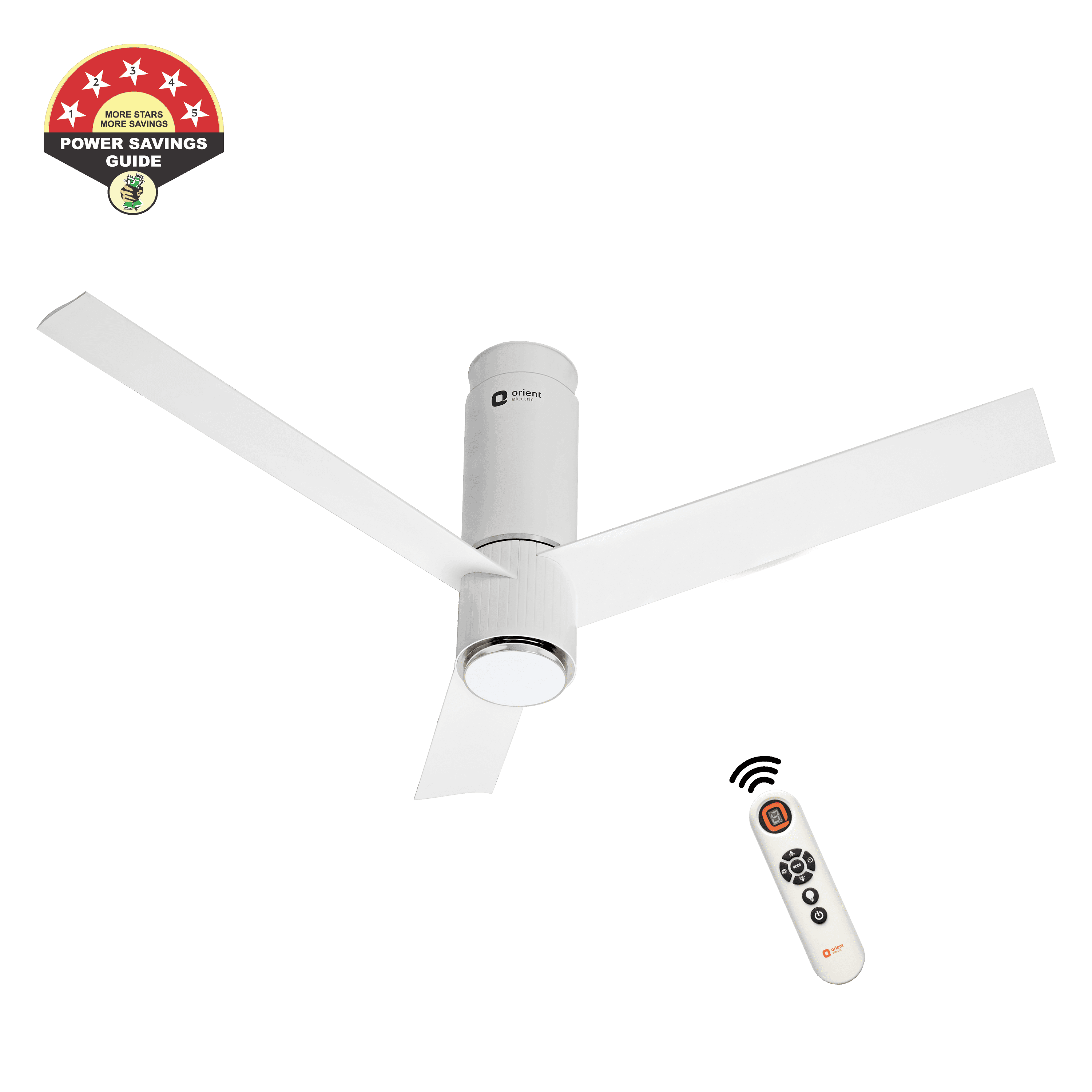
Built with advanced motor technology and protective design features, this ceiling fan delivers steady airflow, low noise, and energy-efficient performance suited for both humid coastal conditions and dusty dry regions.
View ProductTwo Key Factors When Choosing a Ceiling Fan for Your Location
Comfort and long-term performance depend largely on selecting the right features for your climate and ensuring the fan is installed correctly from the start.
1. Match Fan Features to Regional Conditions
Selecting a fan that suits local weather improves both comfort and durability. While strong airflow and corrosion resistance matter most for ceiling fans for coastal areas, dust protection and heat-tolerant motors are key in dry climates.
2. Ensure Professional Installation
Correct installation ensures proper alignment, stable mounting, and safe electrical connections. This reduces vibration, noise, and long term wear, no matter where the home is located.
Comfort That Works with Your Climate
Ceiling fans respond differently to coastal and dry environments, but the right design and informed choices can ensure consistent performance for years. Understanding how humidity, salt, heat, and dust affect durability helps homeowners select models that remain efficient and reliable.
Whether you are choosing ceiling fans for coastal homes or searching for a durable option for arid regions, focusing on material quality, motor technology, and regular maintenance will support lasting comfort in every climate.
FAQ’s
1. Do ceiling fans really perform differently in coastal and dry regions?
Yes, humidity and salt can affect corrosion in coastal areas, while dust and heat influence efficiency in dry regions, making climate-specific features important.
2. What makes ceiling fans for coastal homes more durable?
Protective coatings, sealed motors, and moisture-resistant materials help reduce rust and electrical issues in high humidity environments.
3. Are ceiling fans for coastal areas suitable for everyday use throughout the year?
When designed with corrosion-resistant finishes and efficient motors, they can deliver reliable airflow even during monsoon seasons.
4. What should homeowners in dry climates prioritise when buying a ceiling fan?
Dust-resistant construction, heat-tolerant motors, and easy-to-clean blades are key to maintaining long term performance.
5. How can regular maintenance improve a ceiling fan’s lifespan in any region?
Routine cleaning, timely servicing, and early checks for wear help preserve airflow efficiency and prevent climate-related damage.