

From Reels to Recordings: How Silent Fans Support Modern Content Creators
Creating content for platforms like Instagram and YouTube already takes serious planning and creative effort, so the last thing any creator wants is a distracting fan sound in the middle of a perfect take. Today, filming happens across bedrooms, study corners, and living rooms, where lighting, acoustics, visuals, and temperature all shape the final result.
Cooling plays a key role in staying focused, yet noisy fans can interrupt recordings and add editing work, which is why quieter options are gaining attention. Understanding how do silent fans work? and choosing well designed models helps creators build calm, efficient spaces suited to long, uninterrupted sessions.
2 Reasons Why Noise Control Matters for Content Creation
A quiet setup helps creators record clean audio and stay focused for longer sessions, making low noise cooling an essential part of modern home studios.
1. Background Sound and Audio Quality: Even soft fan noise can slip into recordings during voiceovers or livestreams, leading to retakes and extra editing. Quieter fans reduce interference and help keep audio clear from the start.
2. Focus During Long Recording Sessions: Constant background noise can be mentally tiring over time, especially during scripting or editing. A calmer environment supports comfort, concentration, and consistent creative output.
3 Ways Noiseless Fans Achieve Truly Silent Performance
The quiet operation of the fan. is a result of thoughtful engineering that focuses on reducing friction, airflow disturbance, and structural vibration, all while maintaining effective cooling.
1. Advanced Motor Technology
A key reason modern fans run quietly is their advanced motor systems. Energy-efficient motors, such as BLDC designs, reduce friction and heat while delivering consistent speed control. This smoother operation directly lowers mechanical sound.
For anyone asking How do silent fans work?, the answer often begins with these advanced motors that replace older, noisier mechanisms and allow airflow without abrupt starts or stops.
Enjoy quieter, more reliable comfort while you create.
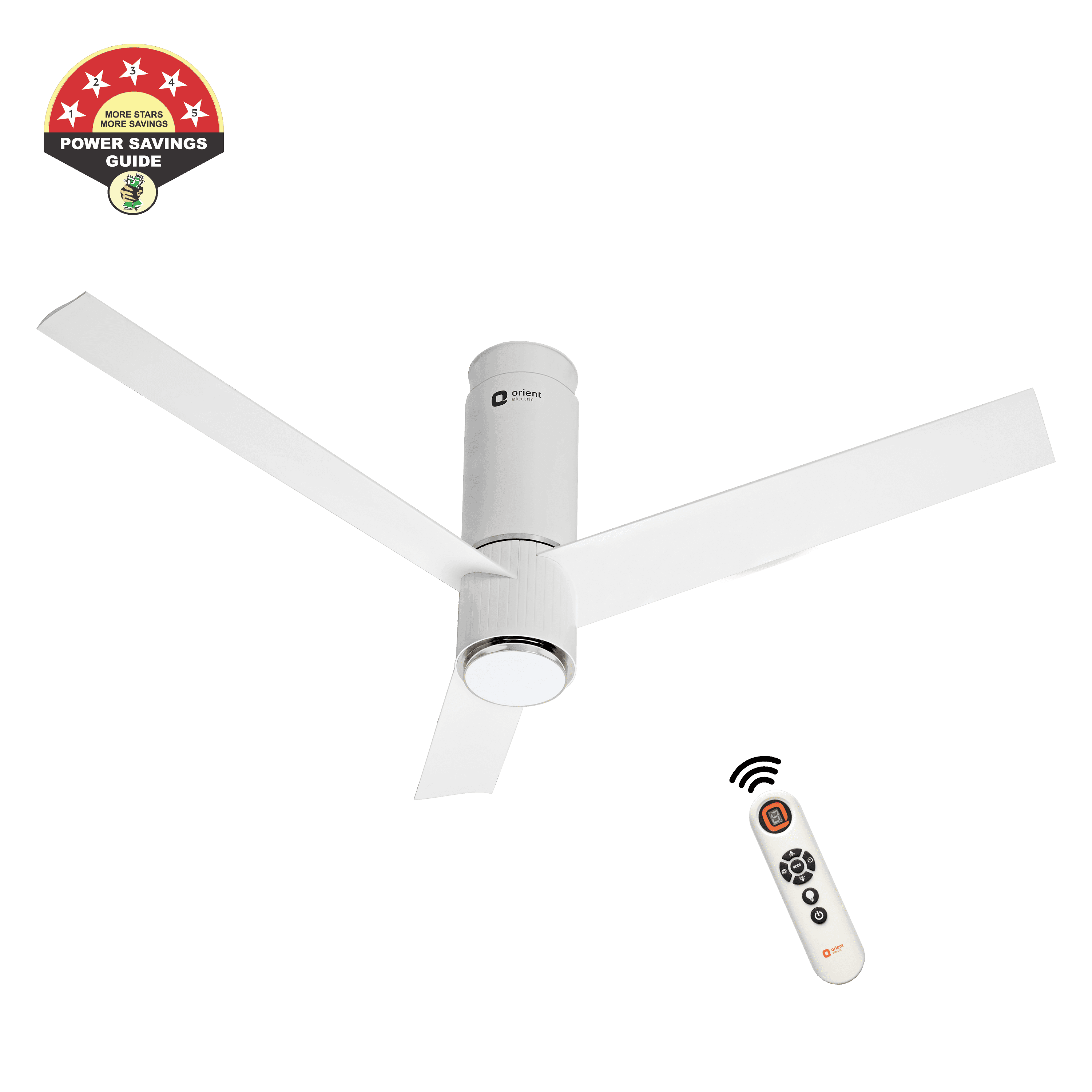
Designed with advanced motor technology and balanced blades, this ceiling fan delivers smooth airflow, low noise, and energy-efficient performance that suits modern home studios and filming spaces.
Buy Best BLDC Fan with Remote2. Aerodynamic Blade Design
Blade shape plays an equally important role. Carefully contoured blades move air efficiently, minimising turbulence that usually creates a rushing or chopping noise. Balanced construction ensures steady rotation, which further reduces vibration
Together, motor performance and blade engineering form the foundation of a super quiet fan built for modern living spaces.
3. Stable Mounting and Vibration Control
Noise can also come from loose fittings or structural vibrations. Silent fans are designed with secure mounting systems and quality materials that keep movement stable. Proper installation adds another layer of sound control, ensuring the fan remains quiet even at higher speeds.
How Silent Fans Fit into a Creator’s Home Setup
Content creators often adapt everyday rooms into recording spaces, and quiet cooling needs to work across different layouts and schedules.
-
Compact Home Studios: Small bedrooms or study corners amplify background sound, making low noise operation especially important in tight setups.
-
Open Filming Areas: Living rooms used for shoots or demonstrations require wide air circulation without drawing attention on camera.
-
After Hours Workspaces: Late night recording or editing calls for cooling that stays unobtrusive for others in the household.
Orient’s Silent Fan Range for Creator Friendly Spaces
For content creators who need dependable cooling without background disturbance, Orient offers a focused range of BLDC ceiling fans designed for whisper quiet operation, smart control, and energy efficiency. These models suit home studios, filming zones, and late night work setups where sound control and convenience matter most.
-
Aeroquiet Neu BLDC Pro Ceiling Fan: Built for ultra low noise performance with remote control convenience, making it well suited for recording sessions and uninterrupted filming.
-
Aeroslim Smart BLDC Ceiling Fan with IoT and Underlight: Combines silent airflow with app based control and integrated lighting, ideal for compact creator spaces that require both cooling and illumination.
-
Aeroquiet 5 Star Rated Premium BLDC Pro Fan: Offers efficient, quiet operation for long hours of use, supporting steady comfort during extended shoots or editing sessions.
-
Aeroquiet Baby Premium Ceiling Fan: Designed to maintain low sound levels while delivering reliable airflow, making it a practical choice for everyday creative setups.
-
Aerosleek 5 Star Rated BLDC Fan with Remote: Pairs energy efficient performance with remote control operation, allowing creators to adjust settings without interrupting recordings.
3 Practical Things to Consider When Choosing the Right Silent Fan for Your Space
Selecting a fan for a creative setup involves more than design or brand preference. Matching the model to the room size, layout, and noise performance helps ensure steady airflow without disrupting recording or filming.
1. Room Size and Ceiling Height
Selecting the right size ensures effective airflow without needing to run the fan at maximum speed. Larger rooms require wider blades or higher airflow ratings, while compact studios benefit from smaller, well-balanced models that keep noise levels low.
2. Placement for Even Air Circulation
Positioning matters. Centrally placed ceiling fans or carefully angled pedestal units distribute air evenly, reducing the need for high-speed settings that could add sound. Good airflow planning enhances comfort and supports quieter operation.
3. Noise Ratings and Certifications
Manufacturers often list noise levels in decibels or highlight quiet mode features. Checking these details helps buyers understand how silent fans work in real-world use and whether the product meets the needs of recording or filming spaces.
A Quiet Partner in the Creative Process
Modern creators rely on focused, comfortable spaces, and silent fans support this by providing steady cooling without affecting sound quality or concentration.
Understanding how silent fans work, valuing quiet performance, and choosing well engineered sound less fans helps build professional home setups ready for long creative sessions.
When every detail matters on camera and on mic, quiet comfort becomes an essential part of the creative toolkit rather than a luxury.
FAQ’s
1. How do silent fans work in home studio setups?
They use advanced motors, balanced blades, and vibration control to reduce mechanical and airflow noise.
2. Are soundless fans suitable for professional content creation?
Yes, soundless fans help maintain clean audio and steady focus by running quietly in filming and editing spaces. They are especially useful for bedrooms or living rooms converted into studios.
3. What makes a super quiet fan different from regular fans?
A super quiet fan focuses on smooth motor operation, aerodynamic blades, and stable mounting to minimise background noise. These features allow consistent cooling without disrupting recordings.
4. Do silent fans consume less electricity when used for long hours?
Many modern silent fans are designed to be energy efficient, making them suitable for always-on use. This helps manage power consumption in home studios and creative work areas.
5. How can I choose the right silent fan for recording or filming rooms?
Check room size, airflow ratings, and noise specifications before buying. Looking at these details also helps you understand real-life conditions and select a model that fits creative spaces well.