

The kitchen is without a doubt the heart of every home. It’s not just a space for cooking – it’s where families bond, memories are made, and everyday routines come to life, from morning tea or coffee to midnight snacks. When it comes to designing a kitchen, the usual things that come to mind are the layout, storage, décor, and appliances.
However, there is one important element that usually gets ignored – the Lighting. However, homeowners have started to realise the importance of proper lighting in kitchens in recent times. If properly done, lighting can significantly improve the ambience and functionality of any kitchen.
You can go for a thoughtful mix of ambient, task, and accent kitchen lighting fixtures to bring warmth and functionality to this essential space. Let’s take a look at some of best LED lighting solutions that can help elevate your experience in the kitchen.
Light a kitchen in layers: bright, even ceiling light (about 30–40 lumens per sq ft), stronger task light over worktops and the hob (about 70–80), and optional accent light. Use natural to cool white (about 4000–5000 K) and moisture-rated fittings near the sink and cooker.
What are the layers of kitchen lighting?
|
Layer |
Job |
Fixture |
|
Ambient |
Even light over the whole room |
Panel lights, battens, downlights |
|
Task |
Bright light where you chop and cook |
Under-cabinet strips, spotlights above the counter |
|
Accent |
Mood and depth |
Cove strips, shelf lights |
How many lumens does a kitchen need?
A kitchen needs about 30–40 lumens per sq ft for general light and 70–80 for task areas. Example: a 10 ft × 12 ft kitchen is 120 sq ft, so about 3,600–4,800 lumens for general light. A 20 sq ft work counter at 75 lumens per sq ft needs about 1,500 lumens of task light.
Where do I place under-cabinet lights?
- Fix the strip near the front edge of the cabinet, so light falls on the worktop and not the wall.
- Run it the full length of the counter for even light.
- Use a diffuser to hide the bright dots of the LEDs.
- Keep strips and drivers away from direct heat above the hob.
Is it safe to put LED lights near the stove and sink?
Yes, with the right rating. Use fixtures rated for splashes and moisture near the sink, and keep drivers and strips clear of direct flame and hot grease. [CONFIRM: minimum IP rating for Orient kitchen products and the heat limits]
Lighting by kitchen layout
|
Layout |
Lighting plan |
|
Parallel or galley |
Linear battens or a line of panels along the centre, strips under both runs of cabinets |
|
L-shaped |
Panels covering the corner, strips on both legs |
|
Island or open kitchen |
Pendants over the island, panels above, warm accent toward the living area |
Which colour temperature and CRI suit a kitchen?
Natural to cool white (about 4000–5000 K) shows food and surfaces clearly. A CRI of 90 or more makes vegetables, meat and spices look true. [CONFIRM: CRI on Orient kitchen lights]
LED Spotlights – Shine a Light on Key Areas
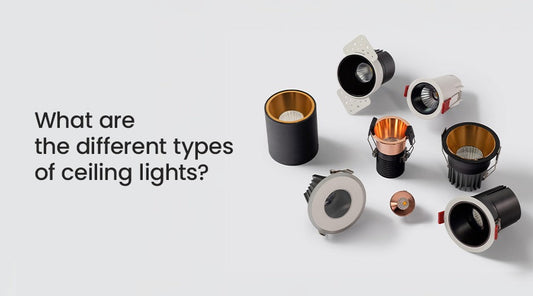
As the name suggests, LED spotlights are a great option for highlighting key areas in the kitchen. You could use them to put spotlight on a wall painting, direct more light on a shelf, or any other area where you want extra light and focus. Since LED spotlights create a narrow light beam, they are ideal lighting solution to bring attention to a specific area. In case you want to keep switching between the focus areas, you should opt for adjustable LED spotlights such as Orient Electric Flexi LED spotlight. One good option for kitchen is to have recessed LED spotlights in the ceiling to ensure proper task lighting. When shopping for LED spotlights, ensure that you choose branded ones as they are of superior quality, have longer lifespan, and come with warranties.
LED Recess Panels – Enhance Ambient Light
While task lighting is an important consideration in any kitchen, you also need to focus on ambient lighting to improve the overall ambience. The idea is to create a comfortable and inviting atmosphere that elevates everyday experiences and encourages family members to spend more time in the kitchen, talking to each other or simply cooking together. For ambient lighting, you can go for LED recess panels as they are slim, sleek, and seamlessly blend with any contemporary interiors. Some of the key benefits of LED recess panels include smooth and uniform lighting, modern looks, and energy savings. To add more drama to your space, you can go for Orient Electric’s Moodlight LED recess panel which comes with three colour temperatures in one panel. You can change the colour of the recess panel as per your mood with a flick of switch, from cool white (6500K) to neutral white (4000K) to warm white (3000K).
LED Strip Lights – Add more Drama to your Space
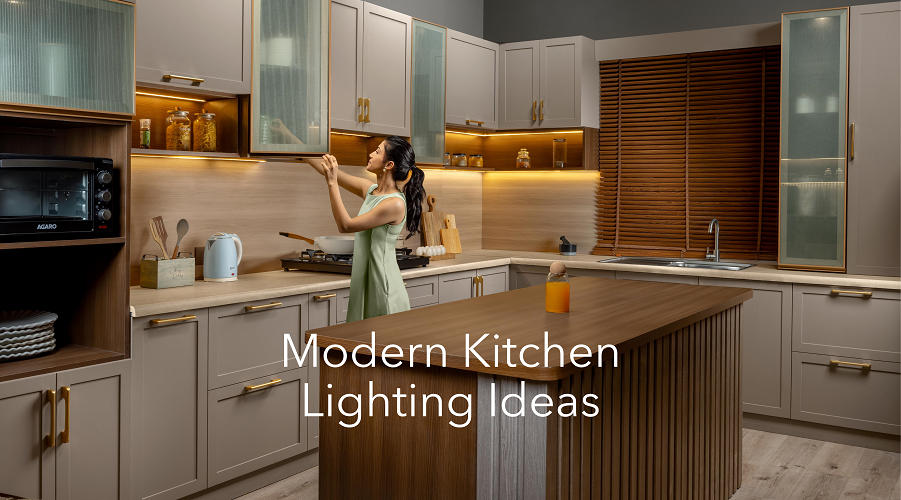
Looking for a fun way to improve the overall ambience of your kitchen? All you need is LED strip lights which can be used for multiple purposes - accent lighting, backlighting, decorative lighting, and task lighting. Easy to install and flexible, these lights are best suited for under-cabinet lighting in the kitchen. These lights not only improve your mood but also provide focused lighting where you need it. Depending on your needs, you can choose these lights in different colour temperatures along with the option of dimming. Take for example Orient Electric Eternal Shine LED strip light which is available in nine different colours - White, Warm White, Red, Blue, Green, Pink, Ice Blue, Amber, and RGB - to lift your mood with pleasing hues and matchless radiance.
Layer the Lighting for Best Experience
Whether it’s the spotlights, recess panels, or strip lights, each one comes with its own benefits for homeowners. If you are looking to transform your kitchen and your experience, the best way is to go for a combination of these LED lights. For example, you can use overhead recess panels with adjustable spotlights for open shelves and strip lights for under-cabinets. A thoughtful combination of task, ambient, and accent lighting adds depth and enhance the ambiance, creating a warm and inviting atmosphere.
Ready to light up your home with a touch of style? Take a look at our new Lighting digital campaign and explore thoughtful lighting for modern living spaces.
FAQs
Q: How many lumens does a kitchen need?
A: About 30–40 lumens per square foot for general lighting and 70–80 per square foot for worktops and the hob. A 10 ft × 12 ft kitchen needs roughly 3,600–4,800 lumens for general light, plus about 1,500 lumens over a 20 sq ft counter.
Q: What colour light is best for a kitchen?
A: Natural white to cool white, about 4000–5000 K, gives clear light for cooking and cleaning. Choose a CRI of 90 or more so food and surfaces look natural. Warm white can work in open-plan kitchens that flow into a living room.
Q: Where should I put lights in a kitchen?
A: Place ceiling lights above the centre of the room for even light, strip lights under wall cabinets for the worktop, and a spotlight or light above the hob. Avoid placing the only light behind you, which casts shadows on the counter.
Q: Can I use LED strip lights in a kitchen?
A: Yes. Under-cabinet LED strips are a popular task light. Use a quality driver, a diffuser and a strip rated for splashes, and keep it away from direct heat above the hob.
Q: What is the best light for a kitchen with no false ceiling?
A: Surface-mounted panels or LED battens fix straight on the ceiling and give even light. Add under-cabinet strips for the worktops. Both need no false ceiling.
Q: Should I mix warm and cool light in a kitchen?
A: No, keep a single colour temperature across the ceiling and worktop lights so surfaces and food look consistent. If you want warmth, use it only in an accent layer away from the cooking area.