

COB Light Dimensions Explained: Sizes, Cut-Out & Selection Guide
If you've ever gone shopping for a COB light and got confused by numbers like "3 inch," "75mm," or "cutout size," you're not alone. COB light dimensions aren't just one measurement, they cover the cutout hole, the fixture's outer size, and its height above the ceiling, and each one matters differently depending on where you're installing it. Here's a clear breakdown of what these dimensions mean and how to pick the right size for your home.
What Do "COB Light Dimensions" Actually Mean?
When people talk about COB light dimensions, they're usually referring to three separate measurements:
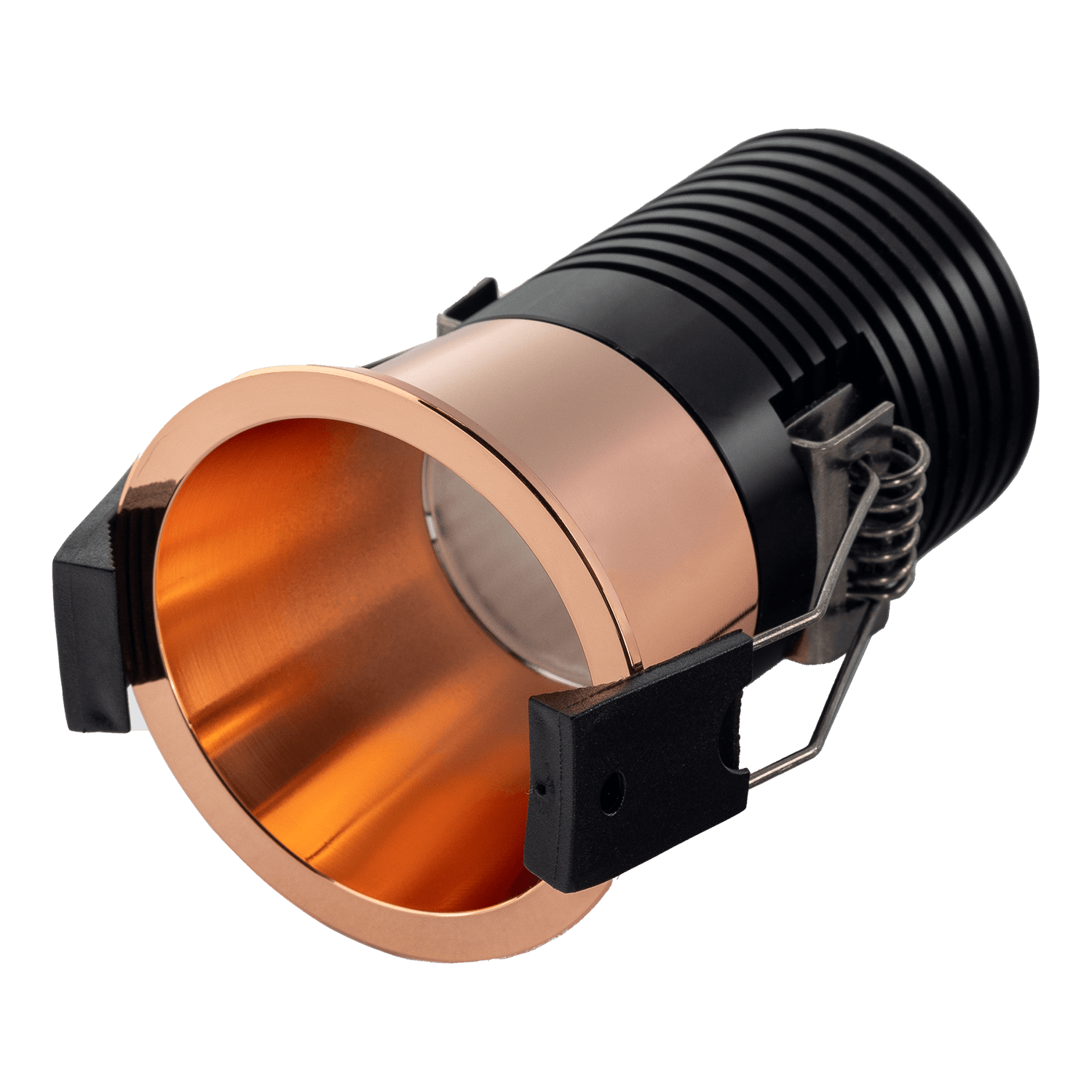
• Cutout size: The diameter of the hole you need to cut in the ceiling or false ceiling panel for the fixture to sit inside.
• Outer diameter: The visible width of the fixture once installed, including the trim ring. This is usually 10 to 20 millimetres larger than the cutout size, since the extra width lets the trim rest flush against the ceiling and hide the gap.
• Fixture height: How far the fixture extends above the ceiling line, into the false ceiling cavity. This matters if your false ceiling doesn't have much depth to work with.
Mixing up cutout size and outer diameter is one of the most common mistakes people make when buying a COB light, since a fixture can look like the right size in a photo but not actually fit the hole you've already cut.
Common COB Light Cutout Sizes
Cutout sizes are usually measured in inches, with the millimetre equivalent varying slightly by brand. Here's a general reference for home use:
|
Cutout Size (approx.) |
Typical Wattage Range |
Common Use |
|
2-2.5 inch (50-65mm) |
3W-5W |
Accent lighting, small corridors, compact fixtures |
|
3 inch (75mm) |
5W-9W |
Bedrooms, corridors, general ceiling points |
|
4 inch (100mm) |
9W-12W |
Living rooms, kitchens, standard ceiling lighting |
|
5-6 inch (125-150mm) |
12W-18W |
Larger rooms, higher ceilings, brighter general lighting |
|
8 inch and above (200mm+) |
20W and above |
Commercial spaces, halls, high-ceiling areas |
These figures are a general guide rather than a fixed standard, since exact cutout sizes vary between manufacturers. Always check the specific product page for the confirmed cutout diameter before cutting your ceiling.
How Cutout Size Relates to Wattage and Brightness
Larger cutout sizes generally support higher wattages, mainly because a bigger fixture has more room for heat dissipation. COB chips generate heat as they run, and without enough space to manage that heat, higher-wattage chips can overheat and wear out faster. This is why a compact 2-inch COB light is usually capped at a lower wattage, while an 8-inch fixture can handle a much brighter output without overheating.
That said, wattage alone doesn't tell the whole brightness story. Two COB lights with the same wattage can produce very different brightness levels depending on their lumens-per-watt efficiency, so it's worth checking the lumen output listed on the product page rather than judging brightness by wattage or size alone.
How to Measure the Right COB Light Size for Your Space
If you're replacing an existing COB light, measuring is simple: place a measuring tape across the centre of the current cutout hole and note the diameter. That's the cutout size you need to match.
If you're installing a new COB light where there's no existing hole, consider these factors instead:
• False ceiling depth: Check how much space is available above your false ceiling before choosing a fixture, since the fixture height needs to fit within that cavity.
• Room size: Larger rooms generally need either bigger fixtures or more of them spaced evenly, rather than one oversized light in the centre.
• Purpose of the light: A small cutout size works fine for accent or corridor lighting, while general room lighting usually benefits from a slightly larger fixture or multiple smaller ones spread across the ceiling.
COB Light Dimensions for Different Home Areas
• Corridors and small hallways: Compact 2 to 3-inch COB lights work well here, since the space doesn't need a wide spread of brightness. Orient's MOON LITE LED Downlighter (Mini) is a good fit for tighter cutouts and smaller budgets.
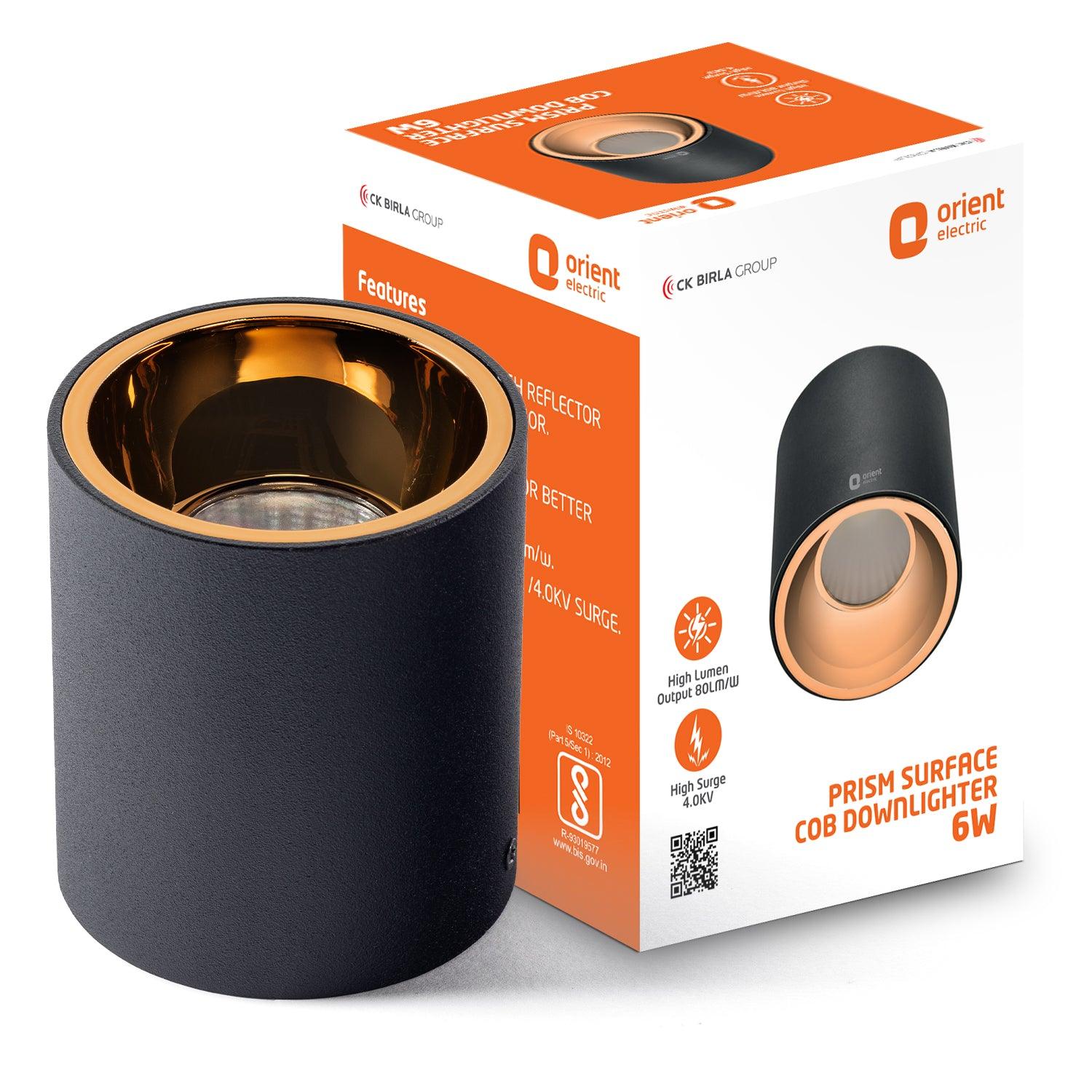
• Bedrooms and bathrooms: A 3 to 4-inch fixture usually balances size and brightness well for these rooms. The Prism Neo LED COB Downlighter is a common choice in this range.
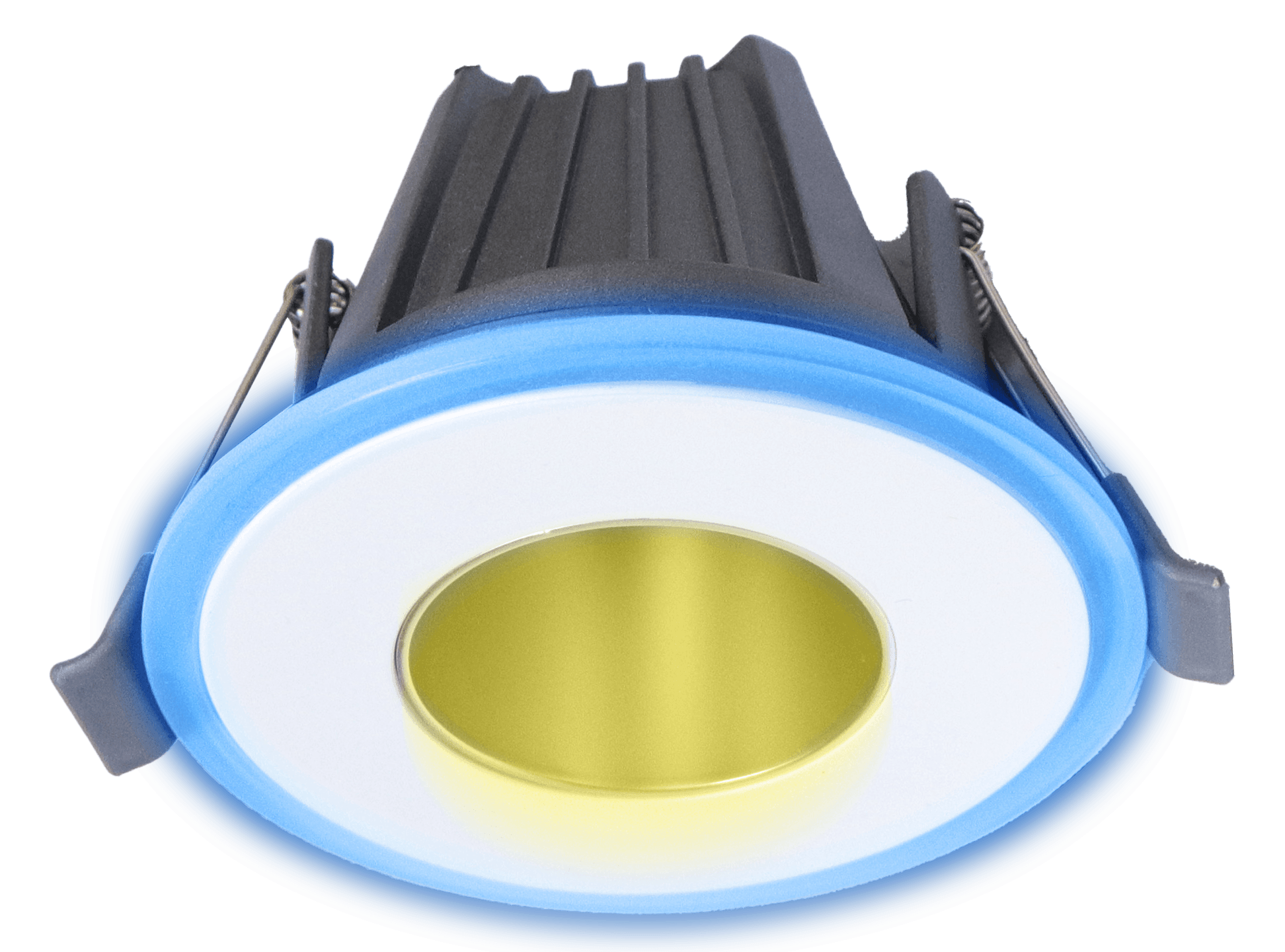
• Living rooms and kitchens: These spaces often use 4-inch or larger COB downlights, sometimes multiple fixtures spaced across the ceiling for even coverage. If you want flexibility in colour tone as well as size, the Prism Deep COB LED Downlighter 3CCT lets you adjust warmth without changing the fixture.
• Accent or spotlight use: For highlighting artwork or a specific corner, a compact COB spotlight works better than a wide downlight. Orient's LED COB Spot Light comes in 3W, 6W, and 9W variants, giving you size and brightness options without needing a large cutout.
You can browse the full COB lights range to compare sizes and wattages side by side before deciding.
Quick Selection Checklist
Before buying a COB light based on size, run through this checklist:
• Confirm the cutout size matches your existing hole, or the space you're planning to cut
• Check the outer diameter fits comfortably within your ceiling layout, especially near walls or other fixtures
• Make sure the fixture height fits within your false ceiling's depth
• Match the wattage and lumen output to the room's purpose, not just the size of the fixture
• If in doubt, measure twice before cutting the ceiling; it's a lot easier to check the size than to patch an oversized hole
Frequently Asked Questions
Q1. What is the standard size of a COB light?
There isn't one universal standard size. COB lights commonly come in cutout sizes ranging from about 2 inches to 8 inches or more, with the right size depending on the wattage and the room you're lighting.
Q2. What does cutout size mean for a COB light?
Cutout size refers to the diameter of the hole you need to cut in the ceiling for the fixture to sit inside. It's different from the fixture's outer diameter, which is usually slightly larger to let the trim cover the edges of the hole.
Q3. How do I know what size COB light to buy?
Measure your existing cutout hole if you're replacing a fixture, or consider your false ceiling depth, room size, and lighting purpose if you're installing a new one. Smaller cutouts suit accent lighting, while larger ones suit general room brightness.
Q4. Is COB light size related to wattage?
Yes, generally. Larger fixtures have more room for heat dissipation, which allows them to support higher wattages. Smaller COB lights are usually built for lower wattage, accent-style lighting.
Q5. What's the difference between outer diameter and cutout size?
Cutout size is the hole diameter you cut into the ceiling. Outer diameter is the visible width of the fixture once installed, including the trim, and is typically 10 to 20 millimetres larger than the cutout size.